



Top 5 Signs Your Project Needs Ready Mix Concrete Instead of Site Mixing
Concrete plays a critical role in determining the strength, durability, and lifespan of any structure. While builders often focus on choosing the right cement and aggregates, the method used to mix concrete is sometimes overlooked. In reality, many construction issues arise not from poor materials, but from inconsistent mixing, rushed execution, and lack of control at the site.
Site mixing has been a common practice for years, especially for small-scale projects. However, as construction standards improve and timelines become tighter, this approach does not always provide reliable results. Knowing when a project requires a more controlled method of concrete preparation can help avoid delays, wastage, and long-term quality issues.
Why the Method of Concrete Mixing Matters
Concrete must meet specific performance requirements, particularly in structural elements like slabs, columns, and foundations. Small changes in water quantity, mixing time, or handling can directly impact strength and durability. When concrete is mixed manually at the site, maintaining the same quality across multiple pours becomes difficult.
A controlled mixing approach reduces variability and improves coordination between batching, delivery, and placement. This leads to smoother execution and more dependable construction outcomes.
1. Delays During Concrete Work Are Affecting Your Schedule
Concrete work often lies on the critical path of a project. With site mixing, progress depends on labour availability, equipment condition, and even weather changes. A small disruption can delay slab casting or structural pours.
If concrete-related activities frequently cause schedule slippage, it is usually a sign that the mixing method is limiting efficiency rather than supporting progress.
2. Concrete Strength Varies From One Pour to Another
One common issue on construction sites is inconsistent concrete strength. Even when the same materials are used, variations in water content and mixing time can result in uneven performance and finishing.
This becomes especially risky in load-bearing elements where uniform strength is essential. Consistency at the mixing stage plays a major role in ensuring long-term durability and structural reliability.
3. Material Wastage Is Higher Than Expected
Manual mixing often leads to unplanned material loss. Cement spillage, scattered aggregates, excess water use, and leftover concrete gradually increase overall costs.
When material consumption repeatedly exceeds estimates, it usually points to poor control during preparation and handling. Reducing wastage starts with improving accuracy at the mixing stage, not just increased supervision later.
4. Site Conditions Become Difficult to Manage During Concrete Activities
Dust, noise, and congestion are common on sites where concrete is mixed manually. These conditions affect worker safety, slow down coordination, and make movement across the site more difficult.
Cleaner, better-organized sites often reflect improved planning and reduced on-site material handling. Better control during concrete activities also results in smoother finishes and fewer interruptions during work.
5. Large or Continuous Pours Are Hard to Control
Structural elements such as foundations, slabs, and beams often require uninterrupted concrete placement. Breaks during pouring can weaken joints and increase the need for corrective work later.
Projects involving larger volumes benefit from coordinated supply and continuous placement. This becomes challenging when concrete is prepared in small batches at the site.
What Causes Most Concrete Problems on Construction Sites?
In practice, most concrete-related issues occur due to:
- Inconsistent mixing ratios
- Overuse or shortage of water
- Rushed pours without proper planning
- Poor coordination between mixing and placement
These problems may not be immediately visible but often appear later as cracks, surface defects, or reduced durability.
How Controlled Concrete Supply Improves Project Efficiency
Controlled batching prepares concrete in measured proportions under monitored conditions. This reduces variability before the concrete reaches the site and allows construction teams to focus on placement rather than fixing mixing issues.
For projects that use Ready Mix Concrete, this approach supports smoother workflows, better time management, and reduced material wastage. In growing construction environments, including projects using RMC in Amritsar, controlled supply helps manage tight schedules and limited site space more effectively.
Working With a Reliable Ready Mix Concrete Supplier
The success of Ready Mix Concrete depends not only on batching quality but also on planning and coordination. A reliable supplier ensures timely delivery and supports continuous, well-managed pours.
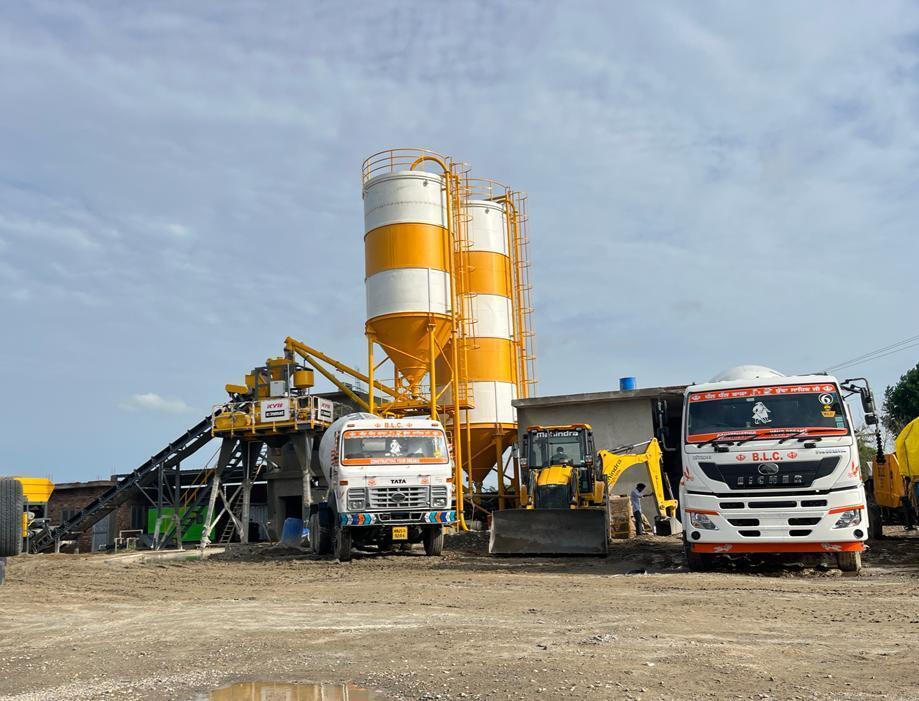
BLC Amritsar provides quality-controlled RMC in Amritsar for residential, commercial, and infrastructure projects. With proper scheduling and coordinated delivery, the focus remains on consistency, reduced wastage, and dependable construction performance.
Final Thoughts
Choosing between site mixing and Ready Mix Concrete should be based on project requirements rather than routine practice. When delays increase, quality becomes inconsistent, or material wastage affects budgets, it is often time to reassess the concrete approach.
Recognizing these signs early and working with an experienced supplier like BLC Amritsar helps builders improve efficiency, maintain quality standards, and complete projects with greater confidence. The right concrete method does not complicate construction—it simplifies it.
Frequently Asked Questions
1. When is site-mixed concrete still a practical option?
Site mixing can work for very small, low-risk tasks where volume and quality demands are limited. For structural or time-sensitive work, controlled mixing methods offer better reliability.
2. Does Ready Mix Concrete require special site preparation?
Major changes are not required, but clear access for delivery vehicles and proper pour planning help ensure smooth execution.
3. How does RMC reduce long-term maintenance issues?
Uniform mixing improves strength consistency, reducing cracks, weak sections, and early repair requirements over the structure’s lifespan.